Q&A: Everything You Wanted to Know about Brand Strategy

I get these questions all the time — from beauty founders over coffee, fashion creatives mid-launch panic, and even friends who still think I “just do logos.” So here it is: a no-fluff Q&A about what brand strategy actually means, why creative direction isn’t just about pretty pictures, and how you can make your brand feel more like a world people want to live in.

1. What does a brand strategist actually do?
It depends on the project. If I’m creating a brand from scratch or guiding a full rebrand, my work starts with deep research — audience, market, competition, culture — to define what makes that brand genuinely different. From there, I shape its story, tone, and visual direction so everything feels intentional and connected. Other times, it’s not a 360 project at all but developing creative direction or guidelines for a new product, service, or collection. In every case, my job is to turn ideas into a clear, consistent world people instantly recognise as you.
2. What’s the difference between brand strategy and marketing?
Marketing sells — branding creates. Branding creates the inspiration, the affection, the need to buy, the need to belong. It builds the story, the emotion, and the entire universe your brand lives in.
From a technical point of view, marketing operates in the short to medium term. It’s measurable, tool-based, and adaptable — you can run multiple campaigns in a year and switch them as needed. Branding, on the other hand, looks at the big picture. It sets the framework for everything your brand does — including marketing. It’s long-term, often lasting years or even decades. You can change your marketing; your branding should remain your north star.
4. What’s the biggest misconception small business owners have about branding?
The first is thinking that only big brands can afford brand strategy. In reality, a solid strategy is one of the smartest long-term investments a small business can make. It gives you a clear roadmap that guides every decision — from visuals and messaging to pricing and customer experience — and it stays with you for years. When you work with an independent brand strategist like me, the investment is far smaller than most people expect, especially considering the clarity it brings. [Link to your services page here.]
The second misconception is that branding is just a logo, a font, and a colour palette. Those are part of visual identity, not brand strategy. Branding goes much deeper — it defines who you are, what you stand for, and how your audience should feel every time they interact with you.
5. How long does it take to build a strong brand?
That’s a very good question. There’s a saying that it takes years to build a brand — and only one wrong decision to ruin it. It’s a bit dramatic, but also true.
You have to think of a brand as a living entity. It grows, evolves, and adapts. The work is never really over, because your brand should evolve alongside your audience and the market. Realistically, depending on the size of the business, the industry, and the budget, it can take anywhere from a few months to a few years to build a brand that truly feels established.
6. Is personal branding really that important for business founders?
Yes! No! It depends...
It’s true that people naturally trust people more than logos. Look at Tim Cook or Elon Musk — they both have far more followers than the brands they represent. A strong personal brand can make a company feel more human and relatable.
But at the same time, most of us don’t know who’s behind BMW or Philips — and those brands do just fine. So the real question is: do you want to be the face of your brand? If the answer is yes, then your personal brand is just as important as your business brand. If not, the focus should stay on building a distinctive company identity that speaks for itself.
7. What’s the difference between creative direction and graphic design?
They both operate in the visual world, but the roles are completely different. Creative direction sets the vision — the emotion, atmosphere, and story behind the visuals — while graphic design executes that vision through layout, typography, and imagery.
Creative direction also goes far beyond graphics. It shapes how your store or salon should look, the vibe of your photos, the emotions in your campaigns, and even aspects of your customer experience. It ensures every visual and sensory element feels like part of one cohesive world — your brand’s world.
8. How do you create a luxury aesthetic without being cliché?
There isn’t one formula for creating a luxury aesthetic. Luxury looks different across industries, and even within the same category you can have completely opposite styles that both feel luxurious. Think of Rolls-Royce and Pagani — both symbols of prestige, yet their aesthetics couldn’t be more different.
In fashion and beauty, the possibilities multiply. What defines luxury isn’t a specific colour palette or font — it’s the quality, craftsmanship, story, and customer experience behind it. When those elements align with intention and restraint, that’s when something feels truly luxurious.
9. Where do you start when building a brand identity from scratch?
I start with a reason. A reason why someone wants to create the brand, a reason behind the products, and the reasons why things are done the way they are. That clarity gives me a strong sense of what the founder wants to achieve and communicate.
It’s the foundation for everything that follows — conversations, research, and market analysis. Only then can we begin shaping the brand strategy, and finally, the visual identity. Because without a solid strategy at the core, the visuals are just decoration — beautiful, maybe, but empty.
10. How important is packaging and visual merchandising to brand perception?
Packaging is equally important as the product — sometimes even more. And I’m not exaggerating.
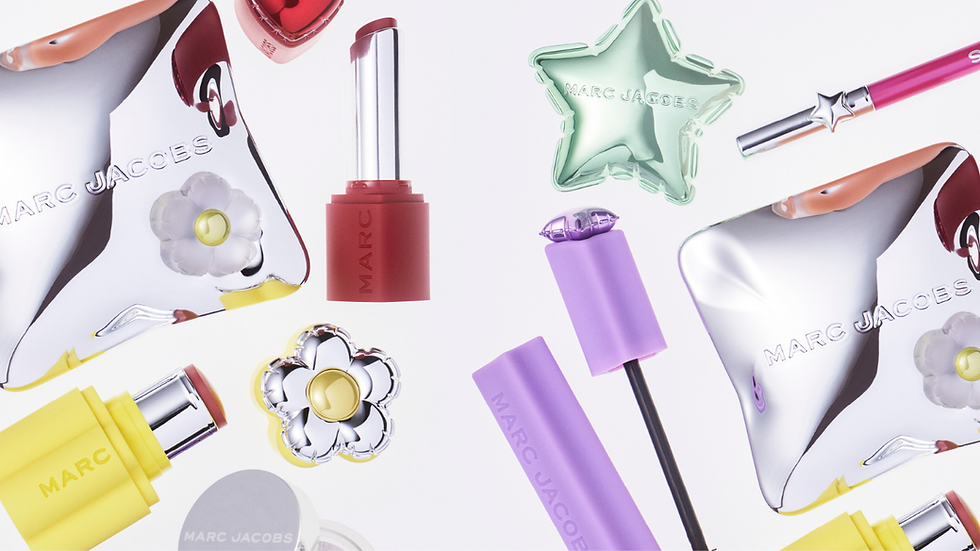
In mass market, packaging is often your only voice on the shelf — the one thing that convinces a customer to pick your product over another. In luxury, packaging is a crucial part of the brand experience and universe. You have to think not only about how it looks and feels, but also about what it’s made of, its longevity, and its environmental impact.
Good packaging can become a gold mine for organic social buzz, press coverage, and genuine advocacy from your customers. So don’t treat packaging as something that simply stores your product — treat it as an equal hero in your brand story.

11. How is AI changing branding and creative direction?
I think AI is a very powerful tool — in the right hands. When you already have the knowledge and can critically evaluate AI-generated ideas, it can speed up your work massively. But if you don’t have experience in branding, it’s like giving a power drill to a toddler — you’ll probably end up with something generic and not exactly tailored to your needs.
There are two main reasons for that. First, current AI models are probabilistic, meaning they generate answers based on mathematical probability, not creativity or empathy. Second, they’re affected by confirmation bias — AI tends to produce answers it “thinks” you’ll like. Without critical thinking and creative direction guiding it, you’ll just get more of what’s already out there, not what makes your brand stand out.
12. Are trends worth following, or do they dilute a brand’s identity?
I would never base a brand strategy on a trend. That’s usually a fast track to becoming generic and outdated. A brand strategy should be unique and true to you and your business. Trends come and go — real stories and values stand the test of time.
That said, trends can be great sources of inspiration for things like marketing campaigns, limited editions, or pop-ups — as long as you can execute them before the trend peaks or fades. Use trends to stay relevant, not to define who you are.
13. What advice would you give to beauty or fashion founders starting today?
Think before you act. Truly understand your why and your customer. Everything else builds from that foundation. Too many founders jump straight into visuals, packaging, or social media without defining what they actually want to be known for — or who they’re trying to reach.
When you know your purpose and your audience inside out, every decision becomes easier and more consistent. You stop chasing trends or trying to please everyone, and start building something that actually lasts.
14. What’s one branding mistake luxury businesses make all the time?
The most common mistake new luxury brands make is not truly understanding what luxury means. They assume a good product and a high price tag are enough. They’re not.
That mindset often leads to cutting corners where they shouldn’t. If you’re a skincare brand, don’t stop at the formula and ingredients — think about the packaging, the unboxing experience, and how the product is presented, whether shipped or handed to a client in-store. Consider sampling (spoiler: those disposable sachets are not luxury), your gift-with-purchase experience, and how your website, store, and staff reflect the brand. Luxury is never just the product. It’s the entire customer experience — every touchpoint, every detail, every feeling.
15. How do you know if your brand strategy is working?
You’ll know when people start describing your brand the way you intended.


Comments